How the Service Setting Governs the Packaging Choice
In hospitality procurement, no single packaging material is universally superior for every operational scenario.
A fine-dining restaurant, an outdoor poolside lounge, and a high-volume convention center have fundamentally differing operational realities. Specifying water packaging requires evaluating where and how the bottle is handled, poured, stored, and cleared.
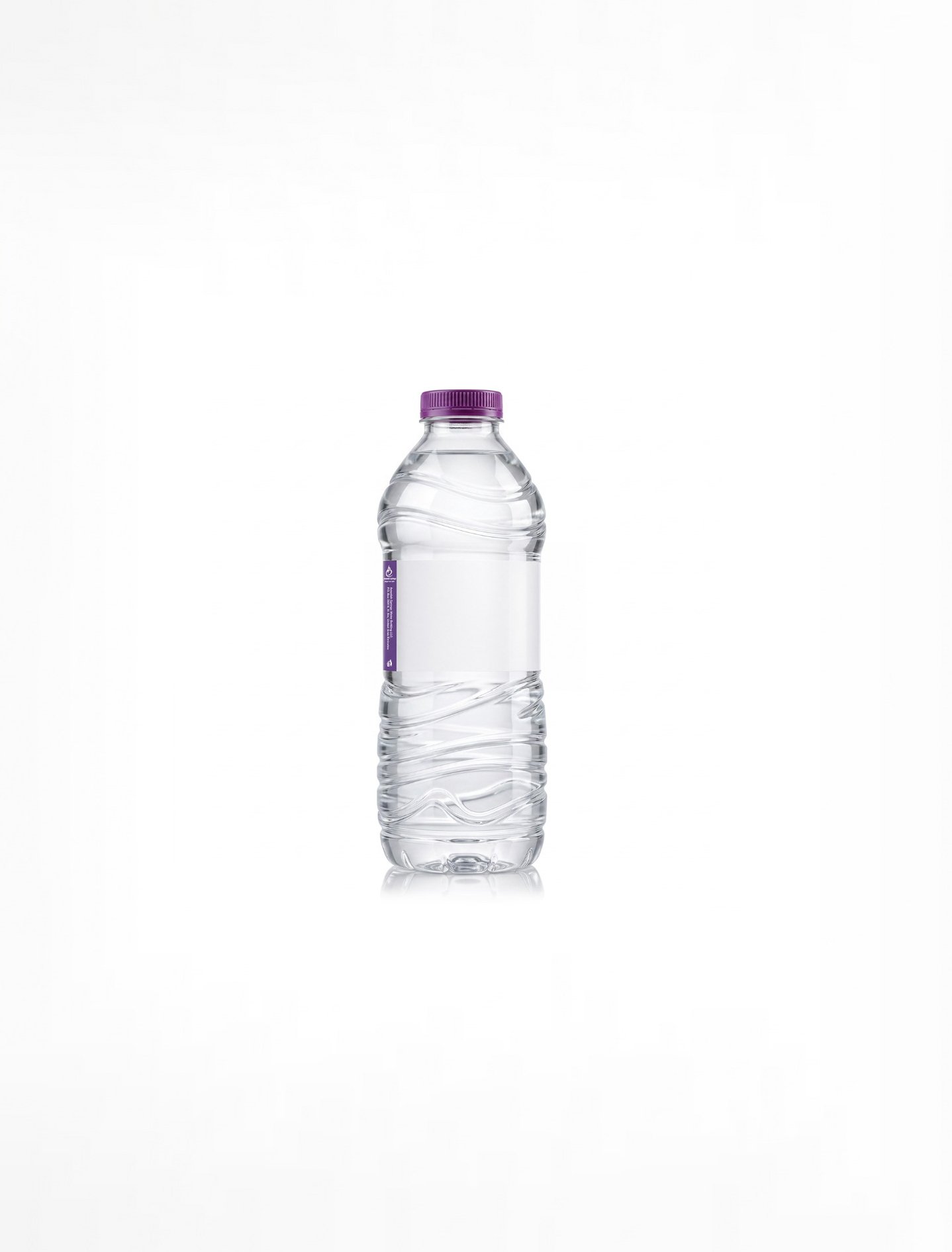
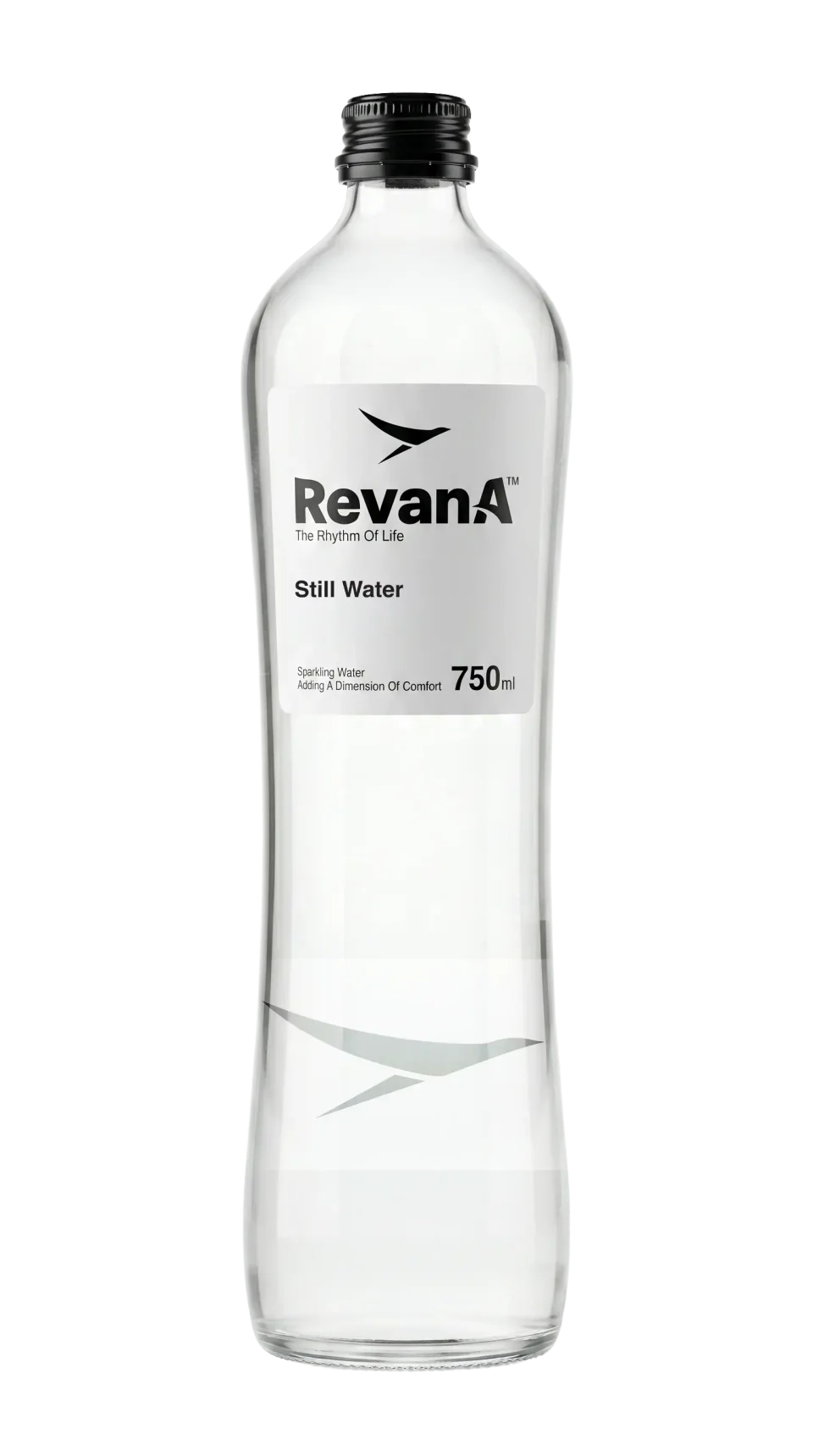
In fine dining, table service, and executive VIP suites, glass bottles (such as Revana’s 750 ml presentation) convey timeless permanence, tactile weight, and elevated presentation that complements linen tablecloths and stemware. Conversely, poolside venues, beach clubs, and large conference banquet halls prioritize guest safety, lightweight transport, and shatter-proof durability—making high-grade PET bottles the pragmatic and safe solution.
Operational Comparison: Glass vs PET
An objective appraisal of both packaging formats across key hospitality operational criteria.
| Evaluation Parameter | Glass Bottles | PET (Plastic) Bottles |
|---|---|---|
| Visual Presentation | Premium, reflective weight, ideal for luxury table service | Clean, modern, highly practical for grab-and-go and conferences |
| Handling & Weight | Significantly heavier; requires careful crate handling | Lightweight; minimizes fatigue during banquet tray service |
| Breakage Risk | Fragile; risk of glass shards if dropped; unsuitable for pools | Non-shatter; safe around wet pool decks and outdoor grounds |
| Storage & Pallet Density | Lower pallet density; higher structural case weight | High packing efficiency; maximizes back-of-house storage space |
| Recycling Stream | Readily recyclable in municipal and hotel glass recycling | Widely accepted in standard PET recycling collection programs |
Handling, Weight, and Back-of-House Storage
Logistical considerations within hotel back-of-house areas often dictate feasibility. A case of twelve 750 ml glass bottles weighs substantially more than a case of twenty-four 500 ml PET bottles, while delivering less net potable volume. For service teams navigating service elevators and banquet corridors, heavier cases increase physical effort and transit time.
Furthermore, storage conditions in the UAE climate require climate-controlled ambient warehouses. Storing palletized glass requires reinforced carton integrity and strict vertical stacking limits to prevent base carton crushing. Procurement teams must inspect their available floor square-footage and rack weight ratings before ordering large glass volumes.
Sustainability and Environmental Distinctions
Environmental claims in packaging must be assessed with balanced technical accuracy rather than simplistic assumptions. Neither glass nor PET is universally superior across every environmental metric.
Glass production and thermal processing require high energy inputs during manufacturing, and its elevated transportation weight generates higher fuel expenditure during freight transit. However, glass is chemically inert and endlessly recyclable without material degradation. Conversely, PET bottles are lightweight, reducing logistics fuel consumption per liter delivered, and are widely collected in modern UAE mechanical recycling facilities. Neither material should be labeled as "zero impact," and buyers should base decisions on their establishment’s verified waste-sorting infrastructure.
Discuss the right format for your venue
Consult AR Green’s team to evaluate supply schedules, carton quantities, and packaging formats tailored to your hotel or dining establishment.
Explore Hospitality Supply →